
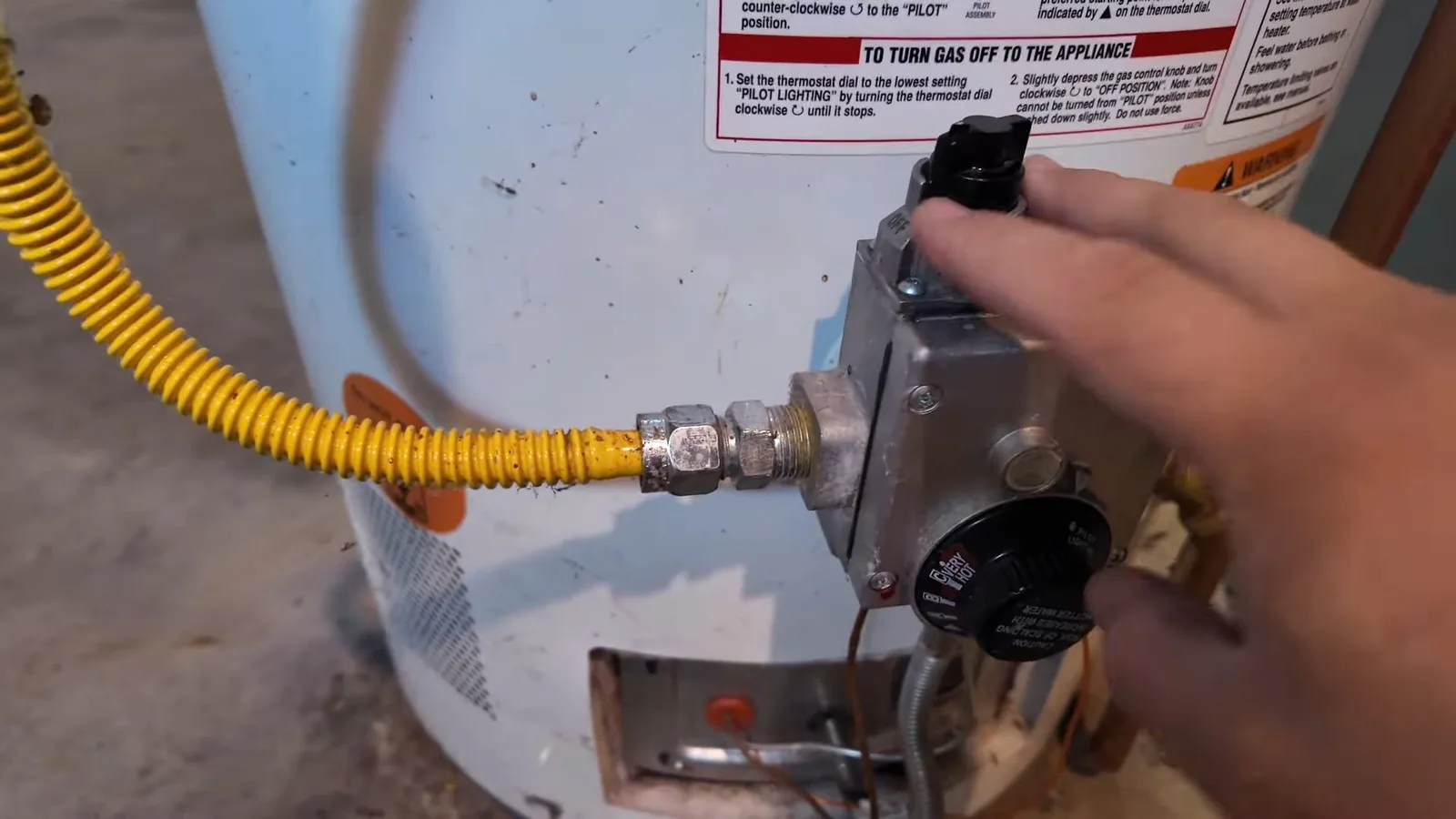
Water Heater Repair in Broomfield, CO: Gas and Electric Tanks That Leak, Run Cold or Will Not Light
When a water heater fails, the question is rarely how, it is whether to repair or replace. A failed thermostat, element or pilot assembly is a repair. A tank that leaks through its body is a different case. A good diagnosis separates the two quickly, so money is not spent repairing a tank at the end of its life. Call our dispatch line and say what the unit is doing.
Call about the heaterWater heater trouble?
(303) 567-7524Name the fuel type and the symptom, and the dispatcher passes your address to a plumber who repairs tank units.
- Say whether the unit is gas or electric.
- Note any water on the floor or smell of gas.
- Know where the cold inlet valve is.
Gas or electric: what changes when a tank heater fails
Both types heat water in an insulated tank, but they fail in different places. Knowing which you have shortens the diagnosis.
| Symptom | Gas unit | Electric unit |
|---|---|---|
| No hot water at all | Pilot out, failed thermocouple, igniter or gas control valve | Tripped breaker or reset, failed element or thermostat |
| Lukewarm water | Burner partly blocked or a gas control fault | One of the two elements has failed |
| Water runs out quickly | Sediment covering the bottom of the tank, or a failed dip tube | A failed lower element or sediment |
| Rumbling or popping | Sediment boiling at the tank bottom | Sediment around the elements |
| Water pooling at the base | Fitting, relief valve or the tank body | Fitting, relief valve or the tank body |
| Smell of gas | Get out, dial 911, then ring Xcel on 800-895-2999 | Not applicable |
A pilot that will not stay lit is a safety question, not just an inconvenience. If you smell gas at any point, leave and call 911 before you try anything else.
Leaking from a fitting or from the tank itself?
A leak is the fault that most often decides repair versus replacement. The location of the water tells you which.
| Where the water is | Usually means | Repair or replace |
|---|---|---|
| At the cold or hot connection on top | A loose or corroded fitting | Often a repair |
| From the pressure relief valve or its discharge pipe | Excess pressure, thermal expansion or a worn valve | Often a repair; the cause matters |
| At the drain valve near the base | A worn valve or washer | Often a repair |
| Seeping from the tank bottom or seams | Corrosion through the steel tank | Replace the tank |
| Rust-colored water from the tap | Corrosion inside the tank, or the anode rod is spent | A repair may buy time on a young tank only |
Appliance water heater leaks that have spread beyond the drain pan are a restoration job, and drying out after a heater leak is a separate step. A 15-year-old tank with a corroded base is not worth a repair estimate on the leaking part. If you are comparing, our page on water heater installation and replacement covers sizing, venting and the permit.
Not sure whether the unit is worth repairing?
Describe the age, the fuel type and where the water is. A leaking tank or a dead heater in winter is urgent, so ask about emergency water heater repair and same day visits, which depend on demand and conditions.
No hot water, lukewarm water and noise: what each points to
Work through the symptom in order. The steps below are safe for most homeowners; stop at any step that involves opening a panel or touching a gas line.
- Check power or the pilot. For an electric unit, check the breaker and the reset button. For a gas unit, look at the pilot or the display.
- Check the temperature setting. A dial knocked down by accident is a common cause of lukewarm water.
- Check other taps. If only one fixture is cold, the heater is fine and the fixture is the issue.
- Listen. Popping or rumbling means sediment. A hissing sound with moisture may mean a leak onto hot metal.
- Call. If the unit has power, the pilot is lit and the water is still cold, a part has failed.
A faucet that sputters or a shower that shifts temperature may be a fixture or mixing valve fault. Those belong with tap, toilet and shower valve repairs rather than the tank.
Sediment, scale and Broomfield’s water
Broomfield’s 2025 water quality report lists hardness between 25 and 130 parts per million (roughly 1.5 up to 7.3 grains of hardness per gallon), by a yardstick that calls under 50 soft and over 150 hard. The city’s water comes from its own plant and from Denver Water, and the two can mix.
That is moderate scale for most addresses. Minerals settle at the bottom of a tank over the years, insulating the water from the burner or coating the elements. Draining a few gallons each year, called flushing, removes some of it and extends the life of the unit. Water heater maintenance of that kind also includes testing the pressure relief valve and checking the anode rod.
A softener is optional rather than necessary on that range; our page on water softener and filtration explains when one is worth considering.
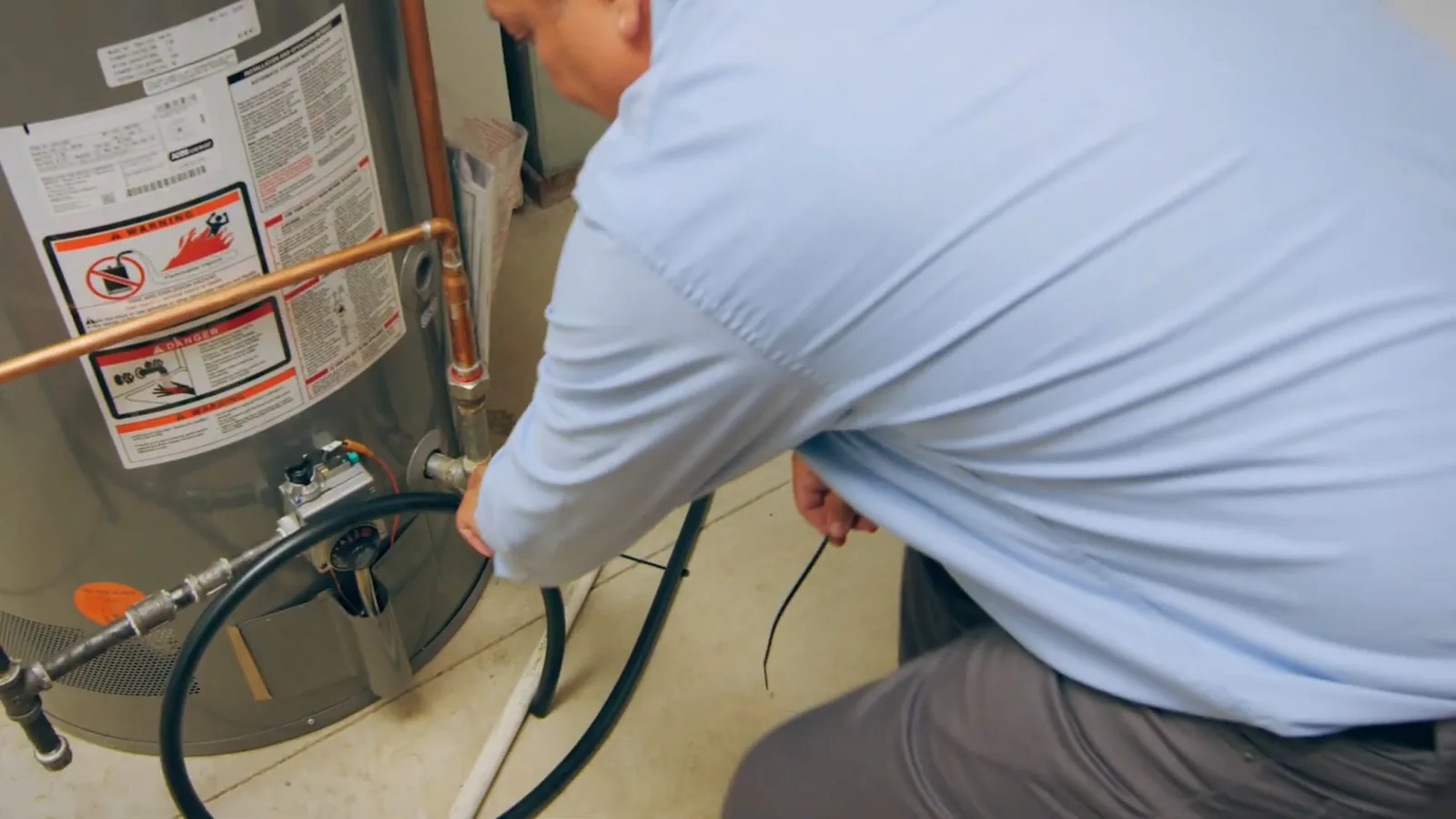
Repair or replace: how the decision is made
Weigh three things: the age of the tank, what failed and what else is showing wear. A new thermostat on a young tank is sensible. The same repair on an old tank with rust at the base is money spent on a unit that is nearly done.
- Under about eight years, with a part failure: repair is usually reasonable.
- Ten to twelve years, with a leak at a fitting: a repair may work, but plan for replacement.
- Any age, with water seeping from the tank body: replace.
- A gas unit with a pilot or burner fault that returns: have the combustion and venting checked.
Permit rules apply here too: every water heater in Broomfield, new or replacement, goes through the Building Division. Ask who pulls it, and before work begins ask what state license the plumber holds and whether the job needs a Broomfield contractor license.
Water heater repair questions
My water heater is leaking. What should I do?
Close the cold-water inlet valve on the tank, turn off the power or the gas control, and put a bucket or towels where the water is falling. Then call. Where the water comes from decides whether it is a repair.
How long do water heaters last in Broomfield?
A tank heater commonly lasts about eight to twelve years, and a tankless unit longer. Moderate scale shortens that if the tank is never flushed, but no Broomfield-specific figure exists.
What is the difference between a lowboy and a tall water heater?
A lowboy is a shorter, wider tank for low ceilings or tight spaces; a tall tank takes less floor area. Capacity is similar, so the choice depends on the closet or utility room.
My pilot light is out. Can I relight it?
Some units are designed for it, and the label on the tank shows the steps. If you smell gas, leave and call 911 first. A pilot that keeps going out points to a failed thermocouple or a draft issue and needs a plumber.
My 15-year-old tank is leaking and corroded. Is it worth repairing?
Usually not. Corrosion that has reached the tank wall cannot be repaired, and a tank that age has little life left. Replacement is the practical choice.
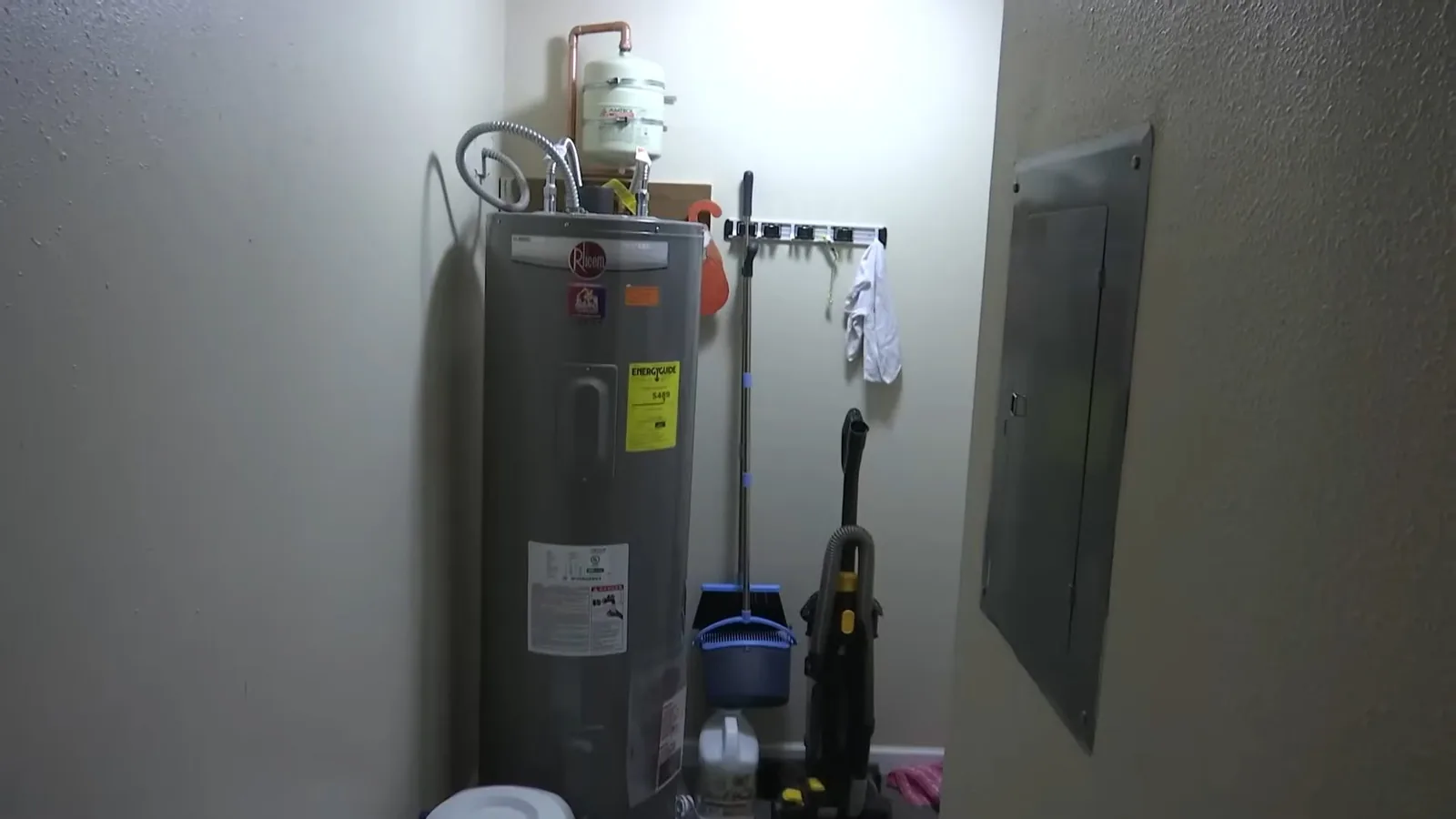
No hot water this morning?
Say whether the unit is gas or electric and whether anything is leaking. The dispatcher uses that to decide how urgent the visit is.
Call (303) 567-7524